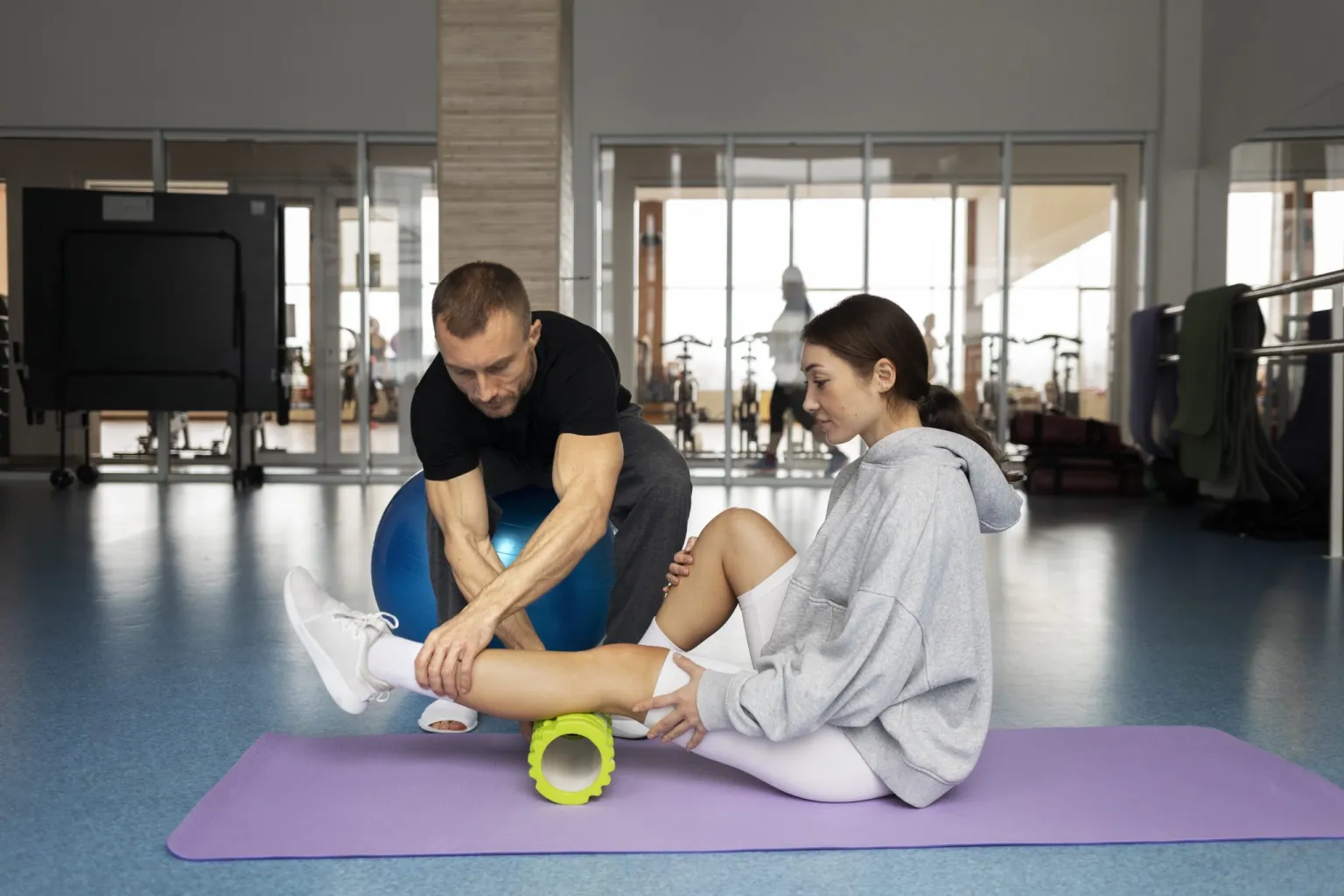
Sports injuries can happen to anyone, whether you enjoy running, swimming, playing football or working out at the gym. While some minor aches improve with rest, other injuries may take longer to heal and can affect your ability to exercise comfortably. Ignoring these symptoms or returning to training too soon may make recovery more difficult.
Knowing when to seek professional help can make a difference in your recovery. Sports physical therapy in the Cayman Islands can help you manage pain, improve movement, rebuild strength and return to your favourite activities safely. At Synergy Chiro Physio, treatment focuses on understanding your injury, identifying movement difficulties and developing a plan that supports your recovery.
Here are some common signs that it may be time to consult a physiotherapist after a sports injury.
1. Pain That Does Not Improve With Rest
Muscle soreness after an intense workout is common and usually improves within a few days. However, pain that continues for more than a week, returns every time you exercise or affects your daily activities may need professional attention.
For example, you may experience knee pain while running, shoulder pain when lifting weights or ankle pain when playing football. If the discomfort keeps returning, it is worth finding out what is causing it rather than continuing to train through the pain.
Sports physiotherapy can help identify the possible cause of your symptoms and guide you towards appropriate treatment and exercises.
2. Swelling, Bruising or Joint Stiffness
Swelling and bruising can occur after a fall, collision or sudden movement during exercise. Some swelling is expected after certain injuries, but persistent or increasing swelling should not be ignored.
You may also notice stiffness when bending your knee, moving your shoulder or putting weight on your ankle. These symptoms can make everyday movements and sports activities more difficult.
A physiotherapy assessment can help determine which movements are affected and what support may be needed during recovery. If you cannot bear weight, have severe pain or develop significant swelling after an injury, seek prompt medical assessment.
3. Reduced Strength or Difficulty Moving
After an injury, you may find that one side of your body feels weaker than the other. For example, one leg may feel less stable when climbing stairs, or one arm may struggle to lift the same weight as before.
This loss of strength can affect your balance, coordination and overall performance. It may also make certain movements more difficult when you return to training.
A physiotherapist can assess your strength and movement, then recommend exercises suited to your current ability. Gradually rebuilding strength can help you regain confidence and prepare for the physical demands of your sport.
4. A Knee or Ankle That Feels Unstable
Does your ankle sometimes give way when you walk on uneven ground? Does your knee feel unstable when you change direction during a game?
These sensations may indicate reduced joint stability, weakness or an injury that needs further assessment. Ankle sprains and knee ligament injuries are common examples of sports injuries that can affect stability.
Sports physical therapy may include strengthening exercises, balance training and controlled movement drills. These exercises help improve coordination and support the muscles around the affected joint.
If your joint repeatedly gives way, or you experience a sudden pop followed by swelling or difficulty bearing weight, seek medical assessment before returning to sport.
5. Changes in the Way You Move
After an injury, you may start changing the way you move without realising it. A runner might put less weight on one leg, while a swimmer may avoid certain shoulder movements. Similarly, a football player might change their running or landing technique to avoid discomfort.
Although these changes may help you manage pain temporarily, they can affect your movement and place additional stress on other parts of your body.
A physiotherapist can assess how you walk, run, jump or perform sport-specific movements. Based on the findings, they can recommend exercises to improve movement patterns and help you return to your usual activities.
6. Tingling, Numbness or Pain That Spreads
Pain after a sports injury does not always remain in one area. You may experience tingling in your fingers, numbness in your foot or pain that travels from your lower back down your leg.
These symptoms can sometimes be associated with nerve irritation or other conditions that require further assessment.
A healthcare professional can help identify the possible cause and determine the appropriate next steps. Seek urgent medical attention if you experience sudden or severe numbness, new or worsening weakness, or loss of bladder or bowel control.
7. Sports Injuries That Keep Coming Back
If the same injury returns every time you increase your training, it may be a sign that your recovery is incomplete or that another factor is contributing to the problem.
For example, runners may experience recurring calf or hamstring strains, while gym-goers may repeatedly develop shoulder discomfort during weight training. Training intensity, movement technique, strength and recovery habits can all play a role.
Sports physiotherapy looks beyond the immediate pain to assess the factors that may be contributing to repeated injuries. A suitable rehabilitation programme can help you build strength, improve movement and manage your training more effectively.
8. Difficulty Returning to Your Previous Performance
You may be able to walk comfortably and carry out your daily activities but still struggle when you return to your sport. Running may feel harder, jumping may cause discomfort, or you may lack confidence when changing direction.
Recovering from an injury involves more than simply reducing pain. You also need to rebuild the strength, balance, coordination and endurance required for your chosen activity.
A physiotherapist can assess your progress and introduce sport-specific exercises as your recovery improves. Depending on your injury, this may include jogging, jumping, balance exercises or controlled changes of direction.
Returning to training gradually, rather than rushing back into competition, can help you prepare for the demands of your sport.
What to Expect From Sports Physical Therapy
If you visit a physiotherapist after a sports injury, the first step is usually an assessment. Your therapist will ask how the injury happened, when your symptoms started and which activities make them better or worse.
They may also assess your movement, flexibility, muscle strength and joint stability. These findings help them understand your current limitations and plan your rehabilitation.
Depending on your needs, your sports physical therapy programme may include:
- Therapeutic exercises: To rebuild strength and improve flexibility.
- Balance and coordination training: To improve control during movement.
- Movement retraining: To help you perform sport-specific activities with better control.
- Manual therapy: Where appropriate, to help manage discomfort and improve movement.
- Return-to-sport exercises: To gradually prepare your body for running, jumping, lifting or other athletic movements.
- Recovery and training advice: To help you manage exercise intensity and progress at a suitable pace.
Your treatment plan should change as your strength and movement improve. Your physiotherapist can monitor your progress and guide you through the different stages of recovery.
Choosing the Right Sports Physiotherapy Clinic in the Cayman Islands
Choosing a suitable clinic is an important step towards recovering from a sports injury. Look for a team that takes time to understand your symptoms, explains your treatment options clearly and develops a plan based on your individual needs.
It is also helpful to choose a clinic that considers your sport, activity level and recovery goals. Whether you want to return to running, improve your gym performance or get back on the football field, your rehabilitation should reflect the movements and physical demands involved.
At Synergy Chiro Physio, physiotherapy and chiropractic care are available to support different aspects of musculoskeletal health. Where appropriate, these services can complement one another as part of an individualised care plan.
If you are experiencing persistent pain, reduced strength or recurring sports injuries, a professional assessment can help you understand your symptoms and explore suitable treatment options.
Get Back to the Activities You Enjoy
Sports injuries can affect your routine, confidence and performance, but the right approach to recovery can help you move towards your goals. Recognising the warning signs early and seeking professional advice when needed can help you make informed decisions about your recovery.
If you are looking for sports physical therapy in the Cayman Islands, Synergy Chiro Physio can help you explore treatment options suited to your condition and activity level.
Visit Synergy Chiro Physio to learn more about physiotherapy services in the Cayman Islands and take the next step towards your recovery.
FAQs
1. How long should I wait before seeing a physiotherapist?
Book an assessment if pain or swelling continues beyond one week. Early evaluation clarifies the cause and helps you plan your return to sport.
2. Is sports physical therapy only for professional athletes?
No. It suits anyone who exercises regularly, from weekend runners to gym members and team players. Treatment is matched to your activity and goals.
3. What should I bring to my first appointment?
Wear comfortable clothing and bring your sports footwear. Scan results, medical reports and notes on when the injury occurred are also helpful.
4. Can physiotherapy help prevent future injuries?
Yes. Strength training, movement correction and sensible load management reduce strain on vulnerable areas. This supports consistent, confident training.
Conclusion
Lasting pain, persistent swelling, weakness, instability, altered movement and repeated injury all indicate that professional guidance would help. Acting early protects your joints and supports your long-term performance.
If you are managing an injury, book an assessment with Synergy Chiro Physio today. Contact our team to arrange a consultation and begin a recovery plan built around your sport and your goals.