When your body feels tight or restricted, it can affect much more than just your comfort. A stiff shoulder may make it difficult to reach overhead. Tight hips can make walking or exercising feel uncomfortable. Persistent tension in the back or neck can make long hours at work increasingly difficult.
These problems can develop gradually. Repetitive movements, prolonged sitting, physical activity, previous injuries, and everyday posture habits can all influence how the body moves.
One often-overlooked area is the fascia—the connective tissue that surrounds and supports muscles and other structures throughout the body.
Myofascial release therapy is a hands-on approach that focuses on areas where soft tissues may feel tight or restricted. When appropriately incorporated into a personalised treatment plan, it can help support flexibility, comfortable movement, and overall mobility.
For people looking for myofascial release therapy in the Cayman Islands, understanding what the treatment involves and when it may be appropriate is a good place to start.
What Is Fascia?
Fascia is a connective tissue network that runs throughout the body. It surrounds muscles, groups of muscles, nerves, blood vessels, and other structures, helping provide support while allowing the body to move.
Think of it as a continuous layer that connects different parts of the body rather than as separate pieces of tissue.
When you move normally, the muscles and surrounding tissues need to glide and move comfortably. Factors such as injury, repetitive strain, prolonged inactivity, or certain movement patterns can contribute to areas feeling stiff or restricted.
This does not necessarily mean that the fascia itself is the sole cause of pain. Discomfort and restricted movement can have many possible causes, which is why an appropriate assessment is important before deciding whether myofascial treatment is suitable.
What Is Myofascial Release?
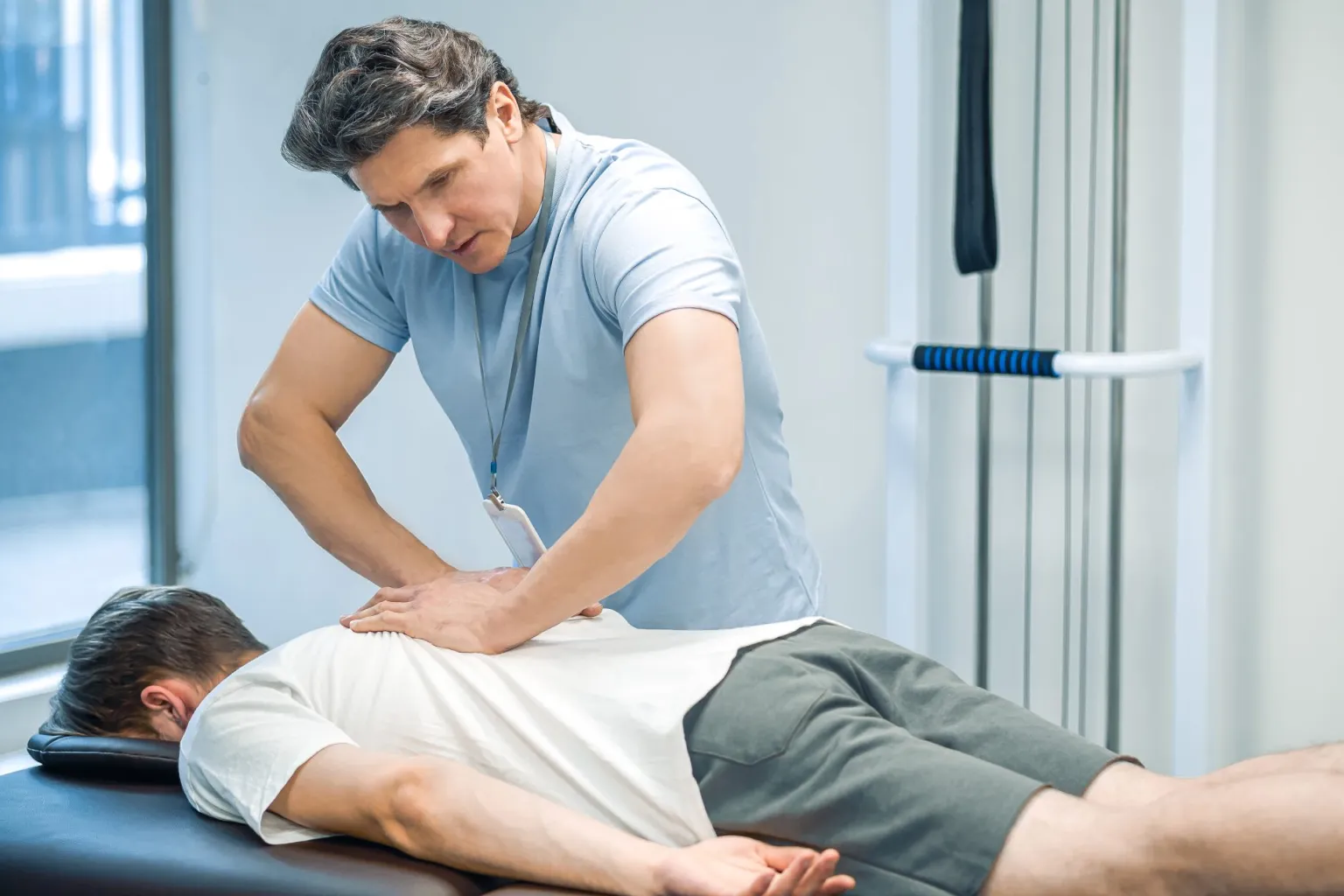
Myofascial release is a manual therapy technique that uses controlled pressure and movement to address areas of soft-tissue restriction.
Rather than applying the same technique to everyone, a practitioner assesses how the body is moving and identifies areas that may require attention. Pressure may then be applied gradually to specific areas, depending on the individual’s condition and tolerance.
The treatment is generally intended to support:
- Improved soft-tissue mobility
- Greater flexibility
- More comfortable movement
- Reduced feelings of muscular tightness
- Better overall movement patterns
Myofascial release is not a one-size-fits-all treatment. The techniques used, the areas treated, and the number of sessions required can vary considerably between individuals.
Why Do Muscles and Connective Tissues Become Tight?
There are many reasons why someone may experience persistent tightness.
Long Hours at a Desk
Spending most of the day sitting can place the body in the same position for extended periods. Over time, this may contribute to stiffness around the neck, shoulders, hips, and lower back.
Regular movement breaks, an appropriate workstation setup, and exercises that improve strength and mobility can all be useful alongside hands-on treatment.
Exercise and Repetitive Activity
Exercise is important for maintaining a healthy and active body, but repeated movements or increased training loads can sometimes leave certain muscle groups feeling tight.
Athletes and active individuals may therefore include manual therapy as part of a wider recovery and mobility program.
Previous Injuries
After an injury, people often change the way they move to protect the affected area. These changes can sometimes place additional demands on other parts of the body.
A personalised rehabilitation program can help address these movement changes and gradually restore normal function.
Everyday Movement Habits
Not all stiffness comes from a specific injury. The way you sit, stand, sleep, work, exercise, or carry objects can influence how your body feels over time.
Identifying these habits can be an important part of creating a longer-term solution.
What Happens During a Myofascial Release Session?
Your first session will typically begin with a conversation about your concerns, lifestyle, previous injuries, activity levels, and treatment goals.
The practitioner may also assess your posture, movement, flexibility, and areas of discomfort. This helps determine which areas may need attention and whether myofascial release is an appropriate option.
During treatment, the practitioner uses hands-on techniques and controlled pressure on selected areas. The pressure can feel firm, but it should remain within a comfortable and manageable range.
Because every person responds differently, communication during the session is important. Your practitioner can adjust the pressure or technique depending on how your body responds.
You may experience some temporary tenderness following treatment, particularly when working on areas that have been tight or sensitive. If discomfort is severe or does not settle, you should discuss it with your healthcare professional.
Who May Consider Myofascial Release?
Myofascial release may be considered for people experiencing certain types of muscle tightness, restricted movement, or soft-tissue discomfort.
It may be incorporated into treatment plans for:
People with desk-related stiffness
If your work involves sitting for long periods, you may experience recurring tension in your neck, shoulders, hips, or lower back.
Active individuals and athletes
Manual therapy may be used alongside exercise and rehabilitation to support mobility and recovery.
People returning from an injury
Where appropriate, soft-tissue techniques may form part of a broader rehabilitation program.
Individuals looking to maintain mobility
For people who want to remain active and comfortable as they age, mobility work can be combined with appropriate strengthening and balance exercises.
However, myofascial release is not necessarily appropriate for every person or every condition. A professional assessment can help determine whether it is suitable for you.
Myofascial Release and Physiotherapy: Can They Work Together?
Yes. Myofascial release does not have to be used as a standalone treatment.
For many people, hands-on techniques can be combined with physiotherapy exercises and movement education. While manual therapy may help address areas of tightness, exercises can help improve strength, control, flexibility, and movement habits over time.
For example, someone experiencing recurring lower back discomfort may benefit from a combination of:
- Hands-on soft-tissue techniques
- Strengthening exercises
- Mobility work
- Posture and movement advice
- Changes to daily activity or workstation habits
The specific combination depends on the individual and the underlying cause of their symptoms.
Myofascial Release vs. Massage Therapy
Although myofascial release and massage therapy are both hands-on treatments, they are not exactly the same.
Massage therapy can have a broad focus, including relaxation, general muscle tension, and wellbeing. Myofascial techniques are generally more targeted toward areas of soft-tissue restriction and movement limitations.
Neither approach is automatically better than the other. The right option depends on your goals.
If you are primarily looking to relax and unwind, a general massage may be appropriate. If you are experiencing ongoing tightness or restricted movement, an assessment may help determine whether myofascial techniques could form part of a suitable treatment plan.
Making the Most of Your Treatment
Hands-on therapy is only one part of maintaining healthy movement.
Your practitioner may recommend simple changes that you can incorporate into your everyday routine, such as:
- Taking regular breaks from prolonged sitting
- Adding appropriate mobility exercises
- Strengthening areas that may need additional support
- Improving your workstation setup
- Gradually increasing physical activity
- Following a personalised home exercise program
These habits can help support the progress made during treatment and encourage better movement in everyday life.
When Should You Seek Professional Advice?
Persistent stiffness should not always be treated as a simple muscle problem.
If pain is severe, keeps returning, affects your ability to perform normal activities, follows a significant injury, or is accompanied by other concerning symptoms, it is important to seek appropriate medical or healthcare advice.
A professional assessment can help identify possible contributing factors and determine whether hands-on therapy, exercise-based rehabilitation, or another form of care is appropriate.
Myofascial Release Therapy in Grand Cayman
Living an active life in the Cayman Islands means having the freedom to work, exercise, travel, and enjoy everyday activities comfortably. Persistent stiffness or restricted movement can make those simple things more difficult.
Myofascial release may be one component of a personalised approach to improving mobility and managing areas of soft-tissue tension. When combined with appropriate exercises, movement advice, and other therapies, it can form part of a broader plan focused on helping you move with greater comfort and confidence.
At Synergy Chiro Physio, patients in Grand Cayman can access a multidisciplinary approach that includes chiropractic care, physiotherapy, massage therapy, and other treatment options based on individual needs.
If ongoing tightness or restricted movement is affecting your daily activities, an assessment can be a useful first step toward understanding what may be contributing to the problem.
Looking for myofascial release therapy in the Cayman Islands? Contact Synergy Chiro Physio to discuss your concerns and find out whether this approach may be appropriate for you.
FAQs
Is myofascial release the same as a regular massage?
No. While both involve hands-on techniques, myofascial release generally focuses on specific areas of soft-tissue restriction and movement, whereas massage may have a broader focus that includes relaxation and general muscle tension.
Can myofascial release help with back or neck tightness?
It may be included as part of a treatment plan for certain types of back or neck tightness. However, these symptoms can have different causes, so an assessment is recommended to determine the most appropriate approach.
Can I have myofascial release if I exercise regularly?
It may be suitable for active individuals, particularly when incorporated into a broader mobility or recovery program. Your practitioner can advise whether it is appropriate based on your training, symptoms, and overall health.
Does myofascial release hurt?
Some techniques can involve firm or sustained pressure, which may feel intense, but treatment should remain manageable and within your comfort level. Let your practitioner know if the pressure feels too strong or causes significant pain.
Can myofascial release be combined with other treatments?
Yes. Depending on your needs, it may be combined with physiotherapy, chiropractic care, therapeutic exercises, or other appropriate approaches.
Is myofascial release suitable for everyone?
No single treatment is suitable for everyone. Your practitioner should consider your symptoms, medical history, injuries, activity level, and treatment goals before recommending myofascial release.